Tina Klein · 21 October 2026
Uncovering Hidden Symbols in Antique Linen That Reveal Artisan Guild Affiliations
Origins of Guild Markings in European Linen Production
Artisan guilds across Europe established strict systems for marking textiles from the medieval period onward, and these practices extended into linen weaving communities in regions such as Flanders, northern France, and parts of Ireland. Guild regulations required members to incorporate specific identifiers into their work so that quality standards could be enforced and counterfeit pieces identified during trade fairs. Researchers have documented how these marks evolved from simple monograms into more complex symbols that combined regional crests with individual workshop codes.
Production centers in the 17th and 18th centuries relied on linen for household goods and export markets, while guild oversight ensured consistent thread counts and bleaching methods. Observers note that many surviving pieces from this era carry symbols hidden along selvage edges or within pattern repeats, and these details become visible only under magnification or specific lighting conditions. Data from textile archives shows that guilds in different cities developed unique iconography to distinguish their members from those operating in neighboring territories.
Common Types of Symbols and Their Placement
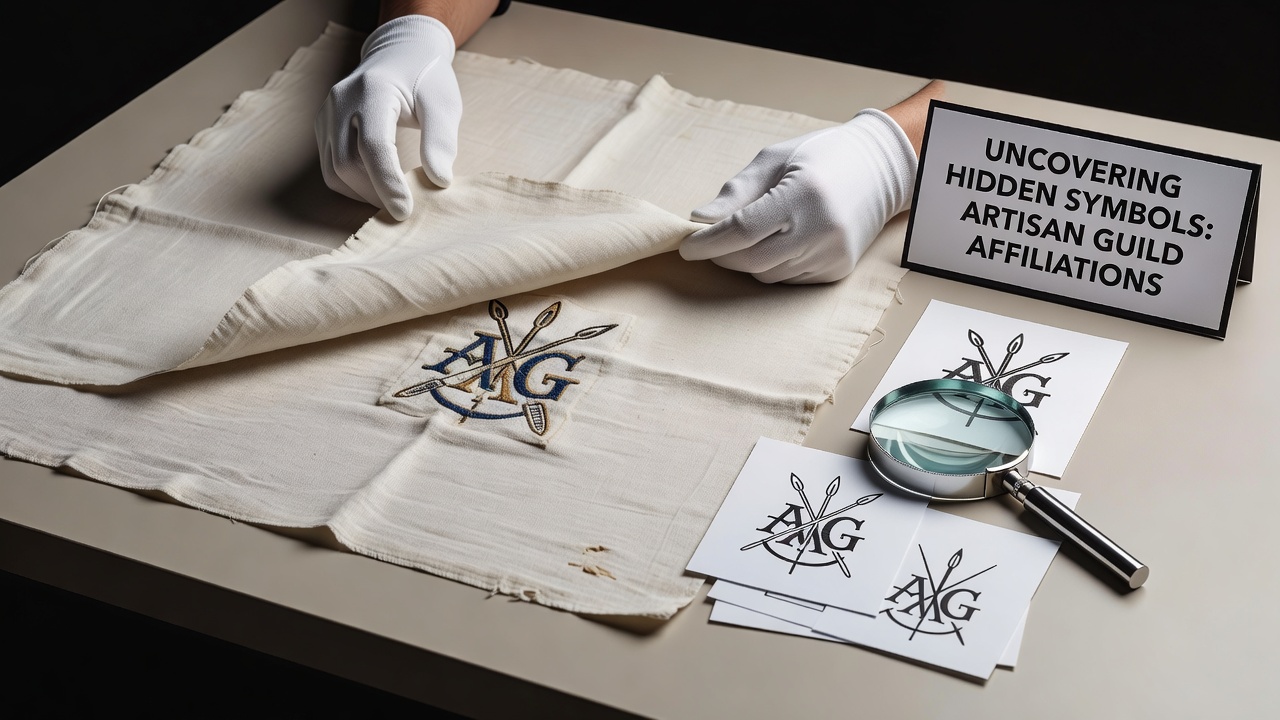
Hidden symbols appear in several forms depending on the production technique and the guild involved. Woven marks consist of deliberate variations in the warp or weft threads that create geometric shapes or letters, and these often sit near the fabric borders where they remain inconspicuous to casual inspection. Embroidered elements include small stitched devices such as stylized looms, sheaves of flax, or heraldic animals, while stamped impressions using ink or wax appear on finished goods before sale.
Placement follows patterns documented in surviving guild statutes, and experts have mapped these conventions across collections held in museums throughout the continent. For instance, Flemish linen from the Antwerp area frequently features a small cross combined with the weaver's initials, whereas French examples from Normandy incorporate fleur-de-lis motifs alongside numeric codes that reference the specific workshop. Those who study these textiles emphasize that the symbols served both authentication and branding functions within tightly regulated markets.
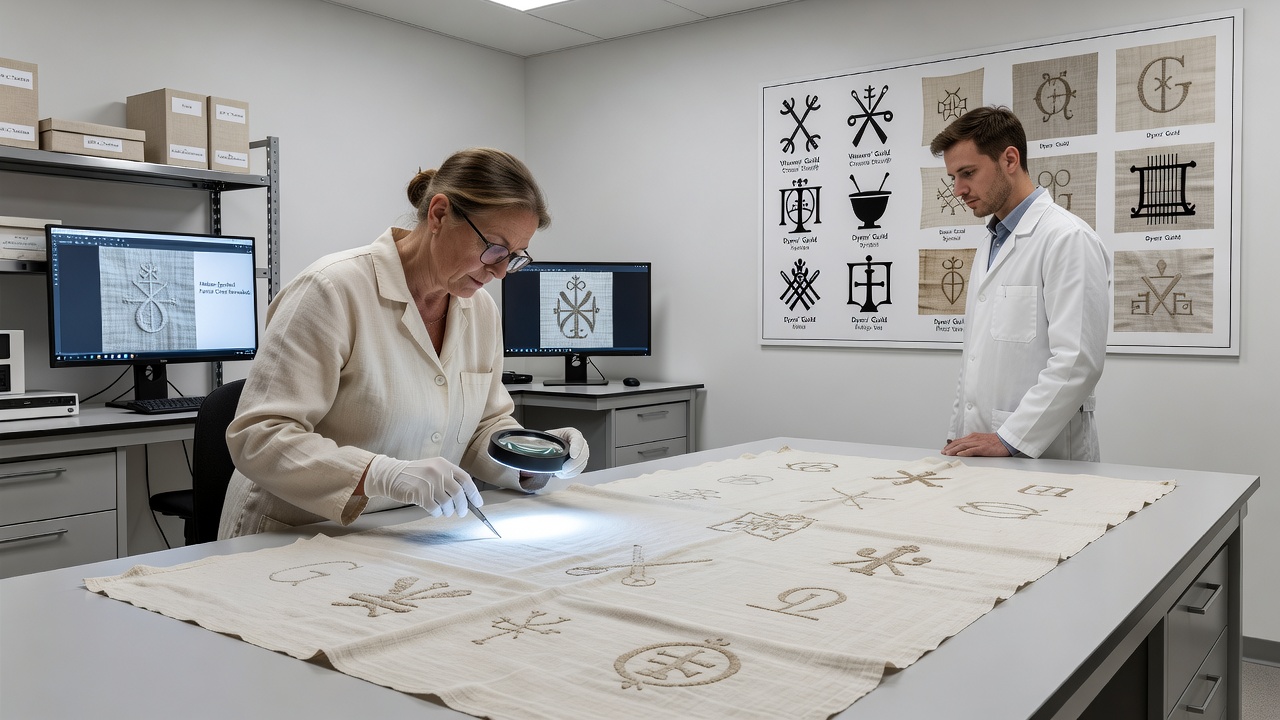
Additional markings sometimes include date codes or batch indicators that allow modern analysts to trace a piece back to a particular production year or master. Research indicates that guilds updated their symbol systems periodically to prevent forgery, and these changes provide chronological markers useful for dating undated linens in private holdings.
Techniques Used to Identify and Interpret the Marks
Identification begins with non-invasive examination methods such as raking light photography and infrared imaging, which reveal symbols obscured by age or repeated laundering. Conservators then compare the discovered marks against digitized guild registries and pattern books preserved in institutional collections. Cross-referencing with historical trade records helps confirm affiliations and rules out later additions or repairs that might obscure original identifiers.
Digital databases compiled by textile historians now allow faster matching of symbols across geographic regions, and collaborative projects between European institutions have expanded access to these resources. In October 2026 a major symposium on historic textile authentication is scheduled in Brussels, where participants will present new findings on linen guild marks drawn from recently catalogued private collections. Such events facilitate the sharing of comparative data and refine identification protocols used by researchers worldwide.
Documented Examples from Historical Collections
One documented case involves a set of 18th-century bed linens held in a Flemish archive that carry a repeated woven motif of interlocking circles, and analysis linked this design to a specific guild in Ghent active between 1720 and 1755. Another example from a French regional museum shows embroidered bees on napkins that correspond to a Paris-based linen weavers' association, and these marks align with guild ledgers listing approved workshops. Observers have noted similar patterns in Irish linen pieces exported to colonial markets, where symbols helped maintain brand recognition among buyers unfamiliar with individual makers.
Studies of auction records reveal that pieces bearing verified guild marks command higher prices at sale, and collectors increasingly seek authentication services before acquisition. Those who've examined large numbers of household linens report that symbols frequently survive in areas protected from wear, such as under hems or within decorative borders, and this distribution pattern aids systematic searches.
Conclusion
Hidden symbols in antique linen provide direct evidence of guild structures that once governed textile production across Europe, and ongoing research continues to connect individual pieces with specific workshops and regulatory bodies. Examination techniques developed in recent decades have increased the accuracy of identifications, while upcoming gatherings such as the 2026 Brussels symposium promise further refinements. Collections held by museums and archives serve as primary resources for these investigations, and the patterns they reveal contribute to broader understanding of historical trade practices and craftsmanship standards.